Scott 3200A Tailwheel – Fully Rebuilt: Heavy-Duty General Aviation Tailwheel Assembly
Scott 3200A Tailwheel – Fully Rebuilt: Heavy-Duty General Aviation Tailwheel Assembly
Blog Article
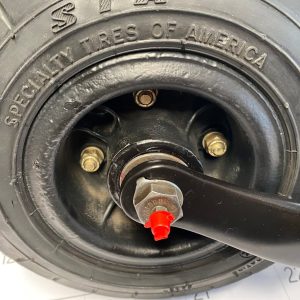
The Scott 3200A Tailwheel – Fully Rebuilt offers a dependable replacement option for suitable taildraggers requiring responsive steering, smooth swiveling, and reliable aircraft ground handling. The quality of the rebuild depends on workmanship, parts selection, dimensional condition, technical procedures, final adjustment, and available documentation.
A correctly rebuilt Scott 3200A Tailwheel Assembly can support predictable steering when installed and adjusted properly on a compatible aircraft. The actual condition of a Scott Tailwheel Assembly should be determined through appropriate inspection rather than cosmetic appearance alone.
The Aircraft Tailwheel Assembly carries tail loads while allowing the aircraft to taxi, turn, park, take off, and land on suitable surfaces. The General Aviation Tailwheel should be selected according to aircraft weight, tail load, wheel size, spring arrangement, steering configuration, runway environment, and installation requirements.
Whether the project involves a Tailwheel Steering Assembly, Aircraft Ground Handling Tailwheel, or Scott 3200 Series Tailwheel, professional installation remains important.
Overview of the Fully Rebuilt Scott 3200A
The Scott 3200A is designed to provide tail support, wheel rotation, steering response, and controlled swiveling for compatible conventional-gear aircraft. The tailwheel operates together with the aircraft tail spring, steering chains or links, steering springs, rudder system, attachment bolts, and surrounding structure.
Benefits of the Scott 3200A Tailwheel Assembly
Its mechanical configuration can support directional control during normal taxiing while allowing wider turning movement when required. Reusable parts may remain acceptable when they pass inspection, while worn or damaged components should be replaced appropriately.
Scott Tailwheel Assembly Rebuild Process
The rebuilder should evaluate corrosion, cracking, bearing condition, spring strength, steering engagement, axle wear, bushing clearance, and fastener serviceability. A freshly painted assembly may still contain worn bearings, weak springs, excessive clearances, or damaged steering components when no true rebuild was completed.
Aircraft Tailwheel Assembly Benefits
Tailwheel website condition influences taxi tracking, turning ability, maneuverability, and pilot workload. The entire installation should be reviewed whenever a rebuilt tailwheel is fitted.
Choosing a General Aviation Tailwheel
Pavement may increase tire wear and make shimmy more noticeable when alignment or adjustment is poor. Experimental aircraft installations should be evaluated according to the builder’s configuration and applicable operational requirements.
Aircraft Tailwheel Ground Handling
The tailwheel contributes to directional control as the aircraft transitions between stationary, taxi, acceleration, deceleration, and landing rollout. Abnormal wear may indicate misalignment, bearing problems, repeated shimmy, poor adjustment, or use on abrasive surfaces.
Taildragger Ground Handling
The Taildragger Tailwheel should be treated as an important ground-control component rather than a minor accessory. Responsible operation can extend Taildragger Tailwheel service life.
Maintaining an Aviation Tailwheel System
A complete inspection helps avoid unnecessary replacement and repeated troubleshooting. Springs should remain free from distortion, corrosion, cracking, broken coils, or unsuitable substitution.
Tailwheel Steering Assembly Performance
A professional rebuild should address the complete Tailwheel Steering Assembly rather than only visible exterior parts. The mechanism should not interfere with surrounding structure, chains, springs, fairings, or nearby aircraft components.
Maintaining Aircraft Ground Handling Components
Reliable ground handling begins with a serviceable assembly and a correctly adjusted installation. Towbars and handling equipment should match the aircraft and remain clear of vulnerable tailwheel components.
Scott 3200 Series Tailwheel Heritage
The Scott 3200 Series Tailwheel has become familiar within general aviation through its use on numerous conventional-gear aircraft and restoration projects. Buyers should verify markings, mounting dimensions, steering-arm arrangement, wheel configuration, and included components.
Rugged Tailwheel Performance
Rugged operations may involve gravel, grass, dirt, uneven surfaces, frequent cycles, contamination, and repeated loading. Even a robust assembly can wear quickly when the tail spring, steering links, mounting bolts, or alignment are incorrect.
Maintaining Tailwheel Components
Replacement components should be selected through accurate identification and suitable technical references. Replacing only the most obvious damaged component may not correct the underlying issue.
Maintaining Aircraft Steering Components
A rebuilt steering mechanism should be evaluated for smooth, consistent, and repeatable operation. Pilots should use techniques appropriate to the aircraft and avoid unnecessary mechanical stress.
Replacement Aircraft Tailwheel Guide
The removed assembly can provide useful measurements, markings, hardware details, and steering-arm orientation. Qualified personnel should verify condition, completeness, and installation suitability.
Buying General Aviation Landing Gear Parts
Main-wheel alignment, brake condition, tire pressure, and airframe rigging can influence how a taildragger behaves on the ground. Known limitations and damage should remain clearly disclosed.
Rebuilt Tailwheel Buying Checklist
A pre-purchase inspection should confirm the assembly identity, rebuild scope, structural condition, included components, tire status, steering arrangement, and available documentation.
- Request photographs of the front, rear, sides, wheel, fork, steering arms, mounting area, identification marks, and loose components.
- Inspect the assembly for cracks, corrosion, bending, damaged threads, enlarged holes, fork distortion, tire wear, rough rotation, and excessive looseness.
- Retain all purchase and rebuild records with the appropriate aircraft maintenance information.
Professional Scott 3200A Installation
Installation should be completed by appropriately qualified personnel familiar with conventional-gear aircraft and mechanical tailwheel steering systems. Swivel engagement, release, centering, and directional action should operate consistently.
A post-installation inspection can confirm hardware security and reveal early movement marks.
Scott Tailwheel Maintenance Guide
Preventive maintenance can identify wear before it develops into shimmy, binding, looseness, poor steering, or component damage. Changes in taxi handling should be documented and reported.
Responsible care supports dependable Scott Tailwheel Assembly performance.
Scott 3200A Tailwheel Conclusion
When professionally inspected, installed, adjusted, tested, and maintained, the Scott 3200A Tailwheel – Fully Rebuilt can become a reliable component of a compatible conventional-gear aircraft. The strongest purchase decision begins with confirming model identity, rebuild scope, replaced components, retained parts, structural condition, tire status, steering arrangement, included hardware, and aircraft compatibility.
Whether the project involves an Aircraft Ground Handling Tailwheel, Scott 3200 Series Tailwheel, Heavy-Duty Aircraft Tailwheel, or Tailwheel Aircraft Parts, rebuild documentation should be reviewed carefully. With qualified evaluation and continued care, the Scott 3200A Tailwheel – Fully Rebuilt can deliver a professional combination of durability, directional control, and reliable aircraft ground performance.
Report this page